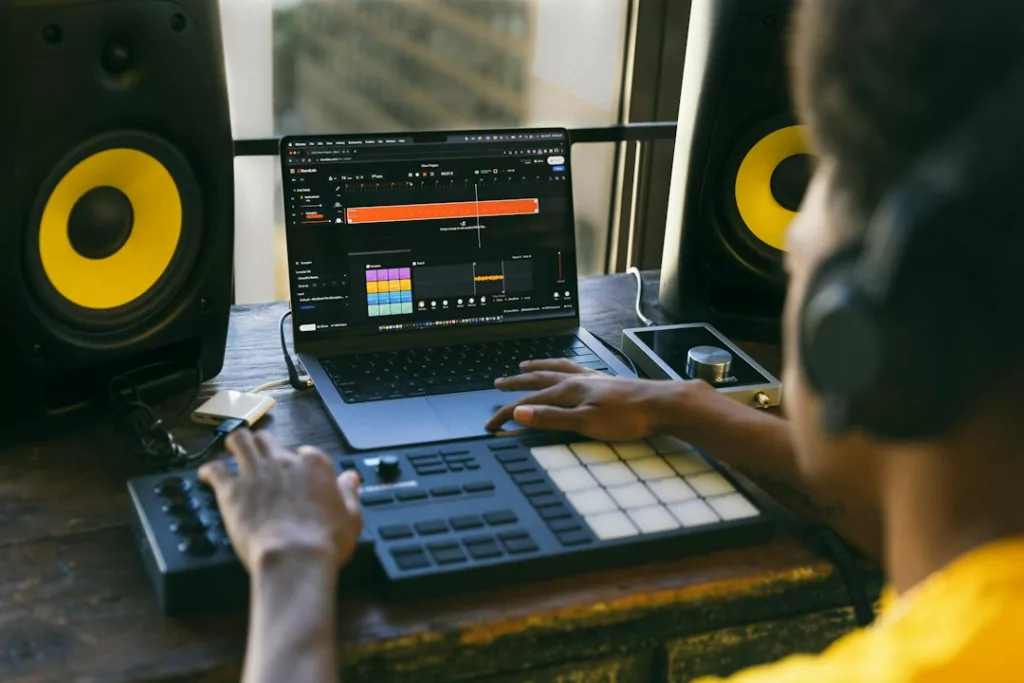

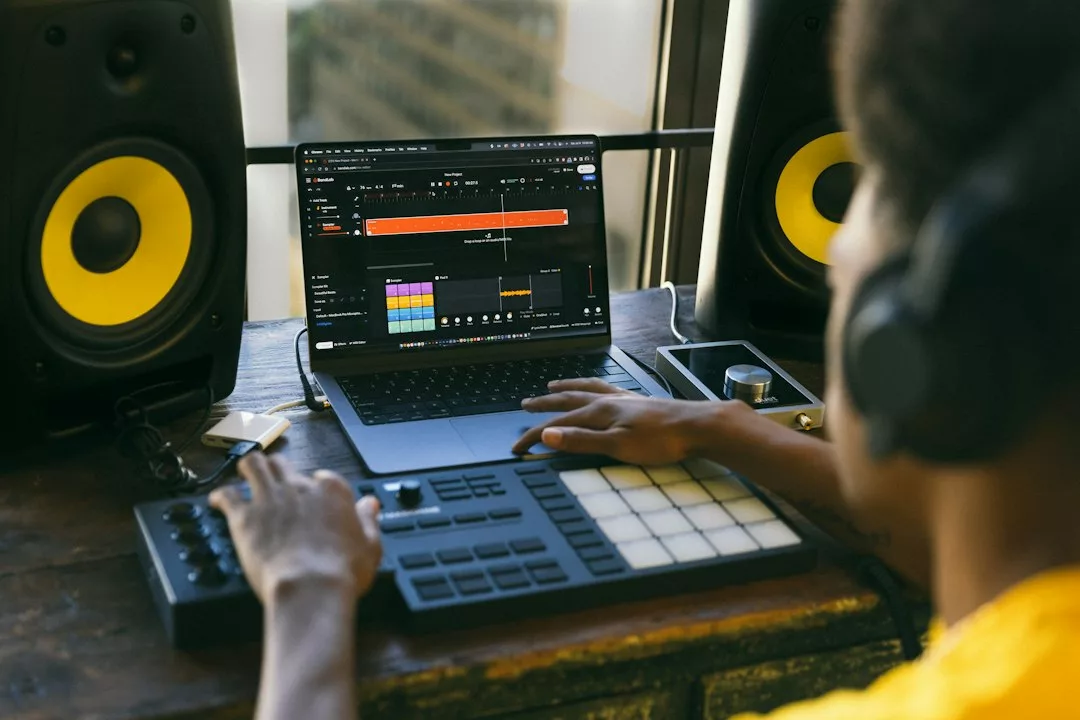
A beatmaker A beatmaker composes and produces the instrumentals that rappers, singers and artists perform over. The profession attracts thousands of enthusiasts every month, but there’s a clear path between making beats in your bedroom and earning a living from it. This complete guide explains what a beatmaker does, how to get started, how to sell your instrumentals and, above all, how to get noticed by the right artists in 7 practical steps.
Beatmaker: definition and role
The beatmaker creates the instrumental part of a track: rhythm, bassline, melodies, samples, structure. The term comes from rap and hip-hop, but today it also applies to trap, drill, afro, R&B, urban pop and even electronic music.
People often confuse beatmakers and producers. The boundary is blurred, but you can remember the following:
- the beatmaker creates the instrumental, often alone and often before the artist gets involved;
- the producer (in the artistic sense) oversees the whole track: vocal direction, arrangement, mix choices, sometimes financing;
- the audio engineer handles recording, mixing and mastering.
Many beatmakers gradually become producers, following an artist from demo to release.
What you need to get started as a beatmaker
A digital audio workstation (DAW)
This is the central tool. The most common DAWs among beatmakers are FL Studio, Ableton Live and Logic Pro (on Mac). There is no single 'best' software: choose the one whose workflow suits you and stick with it long enough to master it. Trial versions let you compare.
Some basic equipment
- a computer powerful enough to run your plugins;
- closed-back headphones or studio monitors;
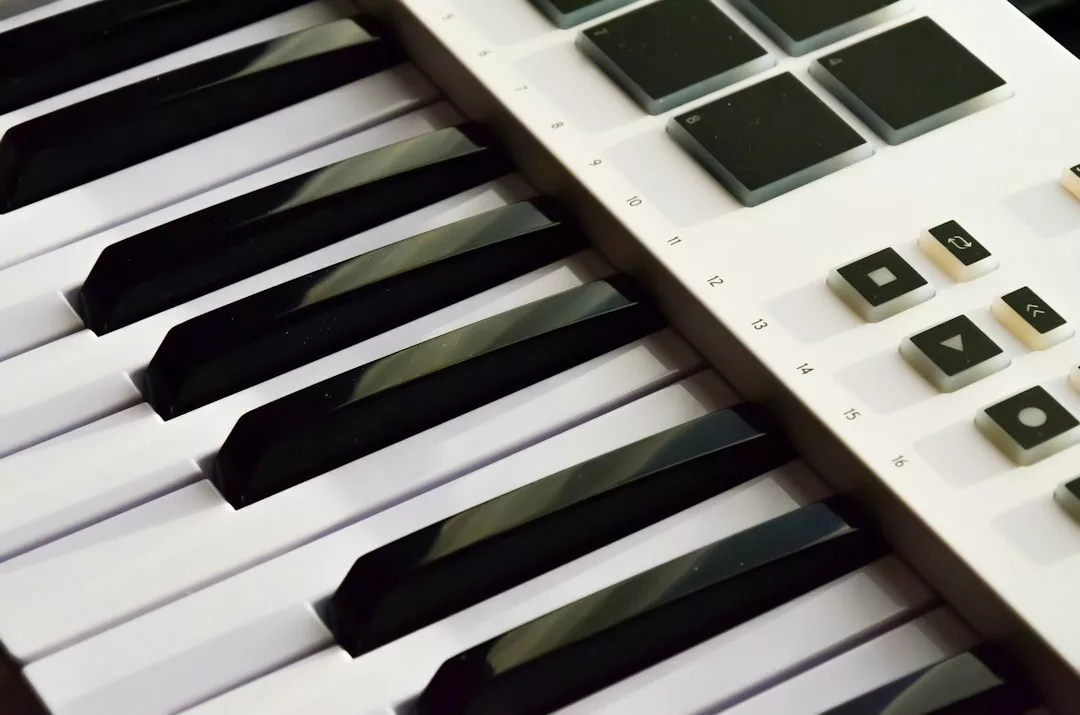
- a MIDI keyboard, useful but not essential at the start;
- an audio interface if you record vocals or instruments.
For more about equipment, read our guide Home studio for independent artists.
Clean, legal sounds
Drums, one-shots, loops: use sample packs whose licence permits commercial use, and keep proof of purchase. An uncleared sample can block a release or trigger a claim later.
Skills that make the difference
- A trained ear and musical knowledge : listen widely, in your genre and beyond.
- Rhythm : the groove of a production often depends on small offsets in the hi-hat or snare placement.
- Harmony basics : knowing scales and chords keeps you from going round in circles.
- Sound design : knowing how to shape an 808, a bass or a pad gives you a signature sound.
- Arrangement : a good instrumental leaves space for the vocal and evolves over the course of the track.
- Basic mixing : a well-balanced production sells better than a brilliant idea that's poorly mixed.
Becoming a beatmaker: the 7-step method
- Choose your DAW and stick to it for at least six months.
- Produce a lot : one track a day, even imperfect, is better than a perfect project that never gets finished.
- Analyse the tracks you like : tempo, structure, sounds, placement of elements.
- Build a catalogue organised by style, tempo and key.
- Find your identity : a sound, a tag, a recognisable colour.
- Collaborate with artists at your level to learn how to work with vocals.
- Structure your business : licences, status, declarations, credits.
How to sell your instrumentals
Non-exclusive licences (leases)
You sell the right to use the beat under conditions (number of listens, sales, airplays), while remaining free to sell it to others. This is the most common model for getting started. Draft clear terms: duration, permitted uses, required credit and the split of songwriting royalties.
The exclusive licence
The artist obtains exclusivity for the beat. The price is higher and the beat is removed from sale. Specify in the contract what happens to any non-exclusive licences already sold.
Placements
A placement is when your production is chosen for an artist's or a label's project. It is often negotiated with an advance or flat fee, a percentage of recording revenues and your share of composer royalties.
Online marketplaces
Platforms such as BeatStars or Airbit let you sell a catalogue with automated licences. They simplify the transaction, but they don't replace real visibility work: competition there is intense.
Getting known as a beatmaker
This is where most beatmakers get stuck. Good beats alone aren't enough: they need to reach the right ears.
Show your process
Cook-up videos (you building a beat) perform well on TikTok, Instagram and YouTube. Show an idea that starts from scratch and becomes a full instrumental. For the basics, see our guide Promoting your music on TikTok.
Target artists, not "everyone"
Find emerging artists whose sound matches your beats. Send only a few beats (three maximum), carefully selected, with a personalised message that shows you know their music. A 40-beat pack sent blindly rarely gets listened to.
Present yourself professionally
A clear press kit (short bio, credits, listening links, contact) changes how a label or a manager perceives you. It Music EPK also helps beatmakers: it brings together your placements, your style and your contact details on a single page. You can create one for free.
Release your own projects
A beat tape or instrumental project distributed on streaming platforms gives you a showcase and verifiable credits. Our comparison of music distributors helps you choose. Remember to request an ISRC code for each track: see ISRC code: what it is and how to get it.
Build your local network
Studios, open mics, collective sessions, music schools: many collaborations start in person. A local studio can connect you with artists who are looking for a particular sound.
Organise your catalogue like a pro
After a few months you'll have hundreds of beats. Without organisation, it's impossible to find the right one when an artist asks for 'something dark around 140 BPM'. A few simple rules will save you a great deal of time:
- name each file with the title, tempo, key and date (for example NUIT_140bpm_Fm_2026-11-20) ;
- always export a tagged MP3 for listening, a clean WAV and separate stems;
- keep a spreadsheet that lists for each instrumental its status: available, licence sold, exclusive, placement in progress;
- note the samples used and their licences so you can answer any questions;
- back up your projects in two different places, at least one off your computer.
That spreadsheet quickly becomes your commercial tool: at a glance you know what you can offer, to whom, and on what terms.
Working with an artist: how a collaboration unfolds
- First contact. A short message, two or three targeted beats, a private listening link. No large attachments.
- Select. The artist chooses an instrumental and tells you what they want: more room for the vocals, a more open chorus, a break.
- Agree. Before recording, put in writing the licence type, the fee, the credits and each person’s share of the composition.
- Record. Provide clean stems and an exact tempo. If you can attend the session, do so: that’s where the final sound is decided.
- Mix and release. Check that your name appears correctly in the credits sent to the distributor, and that the track is properly registered with Sacem.
- Post-release. Share the track, thank the artist publicly, and stay connected: a successful first track often leads to more.
Finding your style without getting lost
It’s tempting to chase every current trend. Beatmakers who stand out often do the opposite: they master one or two styles, then add a recognisable personal touch — for example a choice of sounds, a melodic approach or a distinctive way of building rhythms. Also listen beyond your genre: many fresh ideas come from unexpected blends, like rap and jazz, afro and electronic, or mainstream pop and trap.
A beatmaker’s income
There is no typical salary: income depends on sales volume, placements and the status of the artists you work with. Possible sources:
- sales of instrumental licences;
- flat fees or advances on placements;
- a percentage of the recording’s revenue, if the contract provides;
- composer’s royalties collected via Sacem when the track is exploited;
- income from your own releases (streaming, sync);
- services: mixing, lessons, sound design.
Beware of any promise of quick income. Beatmakers who last typically combine several income streams.
Protect your work and credits
Before sending a beat, keep your project files, stems and dated versions. Get a written agreement signed before any release: licence, credits and copyright split. For legal matters and proof of your files, TuneLockr outlines best practices in its guide Protect your beats.
Mistakes to avoid when starting out
- Switching DAWs every two months.
- Using samples without a clear licence.
- Sending dozens of beats without a personalised message.
- Letting an artist release a track without a written agreement.
- Forgetting to declare your share as a composer.
- Neglecting the mix: a messy production is often dismissed within seconds.
- Paying for fake plays or followers: this skews your stats and can lead to platform penalties.
Beatmaker in France: status and administrative formalities
As soon as you regularly sell instrumentals or services, you need a legal framework: many beatmakers start as micro-entrepreneurs. Copyright is subject to specific tax and social rules. Check with Urssaf and the relevant authorities, or with a professional, before choosing your status.
Beatmaker FAQ
Do you need to play an instrument to be a beatmaker?
No, but basic piano or keyboard skills help a lot for melodies and chords.
How long does it take to get good?
It depends on your consistency. Daily practice and feedback from other musicians significantly speed up progress.
Does a beatmaker receive copyright royalties?
Yes, if you’re credited as the composer of the instrumental and the track is registered. The split with the lyricists is agreed between them, ideally in writing before release.
Where can I find artists for my productions?
Social media, studios, open mics, local collectives and recommendations. Target artists at your level and in your scene rather than the most famous names.
Should instrumentals have a tag?
A short vocal tag helps people recognise your productions and protects preview versions from unlicensed use. Remove it from files delivered after purchase, unless otherwise agreed with the artist.
Is it better to sell lots of leases or aim for placements?
Both complement each other. Non‑exclusive licences provide a steady income and quick feedback; placements build credibility and credits. Many beatmakers start with the former and later focus their time on the latter.
Can I use a sample from a well‑known song in a production?
Only with the necessary clearances, both for the composition and for the original recording. Without them, the track can be removed from platforms or be the subject of a claim. Prefer royalty‑free or re‑recorded samples.
Can Beathoven help me?
If you’re releasing a project, Beathoven supports its presentation and promotion to qualified media, radio and industry contacts, without guaranteeing results. Start with a Free EPK or consult our advice for pitching your music.